Split

Dalmatia - Split

If you want to cram as many UNESCO World Heritage Sites as possible into your trip, your wish will be granted in central Dalmatia, in the county of Split-Dalmatia.

In fact in this leading tourist region of Croatia, within around thirty kilometres of each other are Diocletian’s Palace in Split itself, the largest city in Central Dalmatia, Stari Grad Plain on the island of Hvar and Trogir’s town centre, all sitting waiting for your visit. And that is not the full extent of what the United Nations Organization for Education, Science and Culture has included on its prestigious lists.

UNESCO has also put the following ‘intangible cultural heritage’ under its protection from this part of Croatia: Hvar’s agave and aloe-lace-making and is procession Za križen (following the cross), and the Sinj Alka (a traditional knightly tournament originating in Sinj in the 18th century). The list also includes Nijemo kolo (a silent circle dance) from Vrlika and Klapa singing, which is a traditional style of unaccompanied polyphonic singing, recently spread to other Croatian regions from its cradle in Dalmatia. There are numerous archaeological sites, including the well-known Solin. Solin is the biggest such site on the eastern Adriatic coast, and it is proof that there could have once been even more of these great historic monuments. It comprises the remains of the ancient town of Salona, the former capital of the Roman province of Dalmatia, and it is located about six kilometres north of Split. Away from the coast, sustainable tourism and a return to nature have been promoted by ever more popular eco-ethno villages, whereas on the coast, campsites have been promoting the same philosophy by using the plentiful sunlight to generate energy for heating, amongst other things. Campsites in Central Dalmatia are involved with and promote culinary specialities of this part of Croatia.

Given the inevitable local fish and seafood, it would be worth tasting delicacies with recipes dating back to the time of Marko Marulić, the father of Croatian literature, who was born in Split. For example, gingerbread flavoured with lots of saffron. This spice, along with honey and coriander, was an exceptionally important product of the islands in the 16th century. Away from the sea, into the Dalmatian hinterland, Cetina trout is an indigenous dish, as is frog brujet (stew) on baškotin (crispy bread-roll): frogs’ legs are bathed in lemon juice and then cooked with other ingredients over a low heat and served with toasted bread.

A rarer drink to find is the ‘cocktail’ of young wine and goat’s milk, which is known by various names in this region: bikla is its name in Vrgorac, the home-town of Tin Ujević, the well-known Croatian poet. Today, Vrgorac also produces a quality wine and the best strawberries in Dalmatia.

Where kingdom is not only the word for nature. True charm of the southern Mediterranean.

Best of upcoming Events

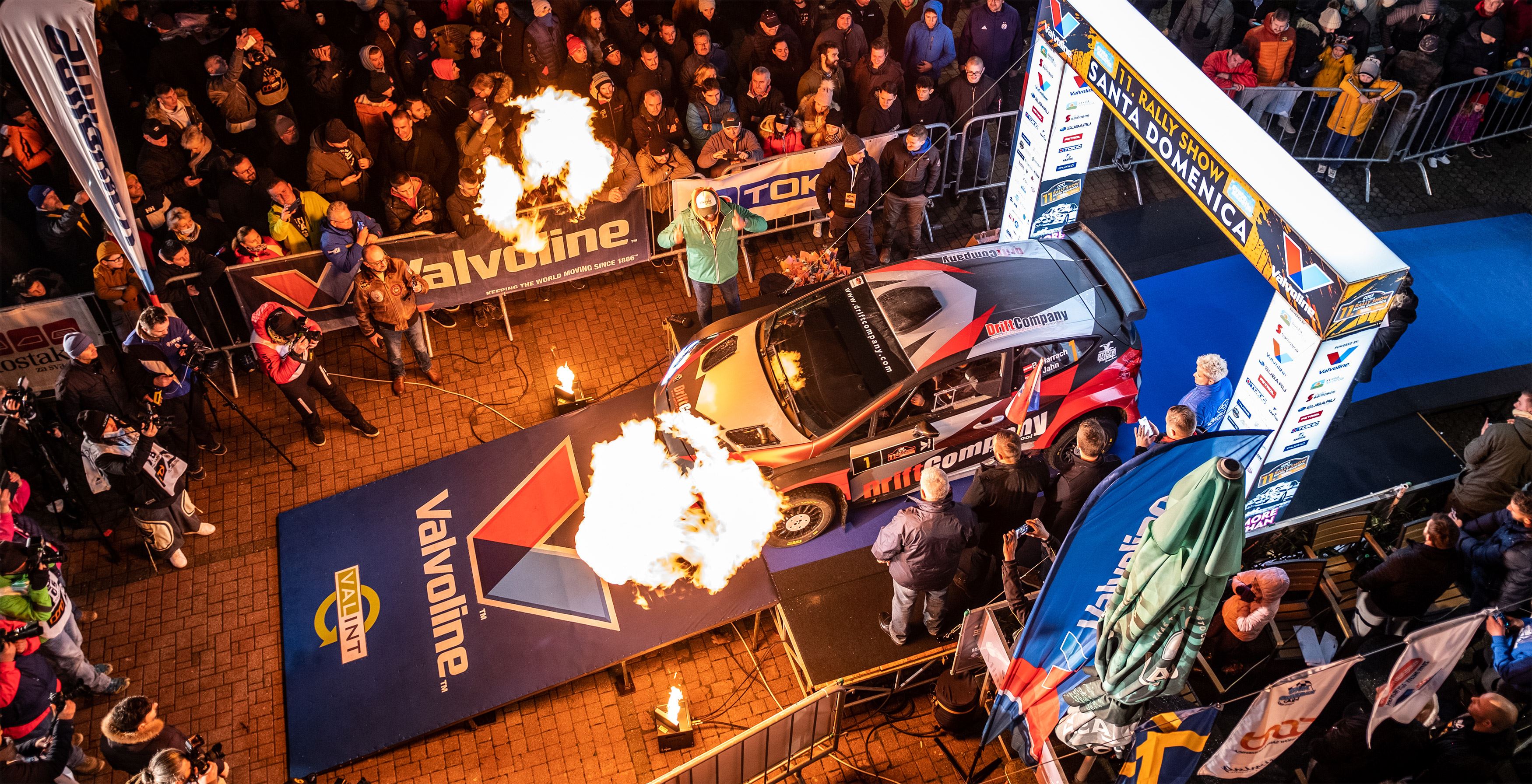
Rally Show Santa Domenica

11/20/2026 to 11/22/2026
Greatest and most visited rally show event in this part of Europe. It is adored event by both the drivers and spectators due to possibility of simple and accessible following of impressive drives thanks to ideal location.
Christmas Story of the Salaj family

Christmas Magic of lights by Salaj

11/27/2026 to 1/10/2027
Grabovnica
All Christmas stories are romantic and educational, especially if you are a guest of the Salaj family in Grabovnica.
Advent in Zagreb

Advent in Zagreb

11/28/2026 to 1/7/2027
The sound of bells, the scent of mulled wine, lights dancing to the rhythm of winter — it all comes together to create the magic of the city.
Rijeka, Rijeka Carnival

Rijeka Carnival

1/17/2027 to 2/10/2027
We are eagerly waiting for January when the holiday decorations give way to carnival ribbons marking the beginning of the Rijeka Carnival. 17 January, i.e. the day of St. Anthony, traditionally marks the beginning of the fifth season, which ends on Ash Wednesday, when Pust will pay with his life for all the evils of the past year - because heads will roll!